
Wise vs. Bank Fees: Why I Stopped Paying My Bank to Exchange Money
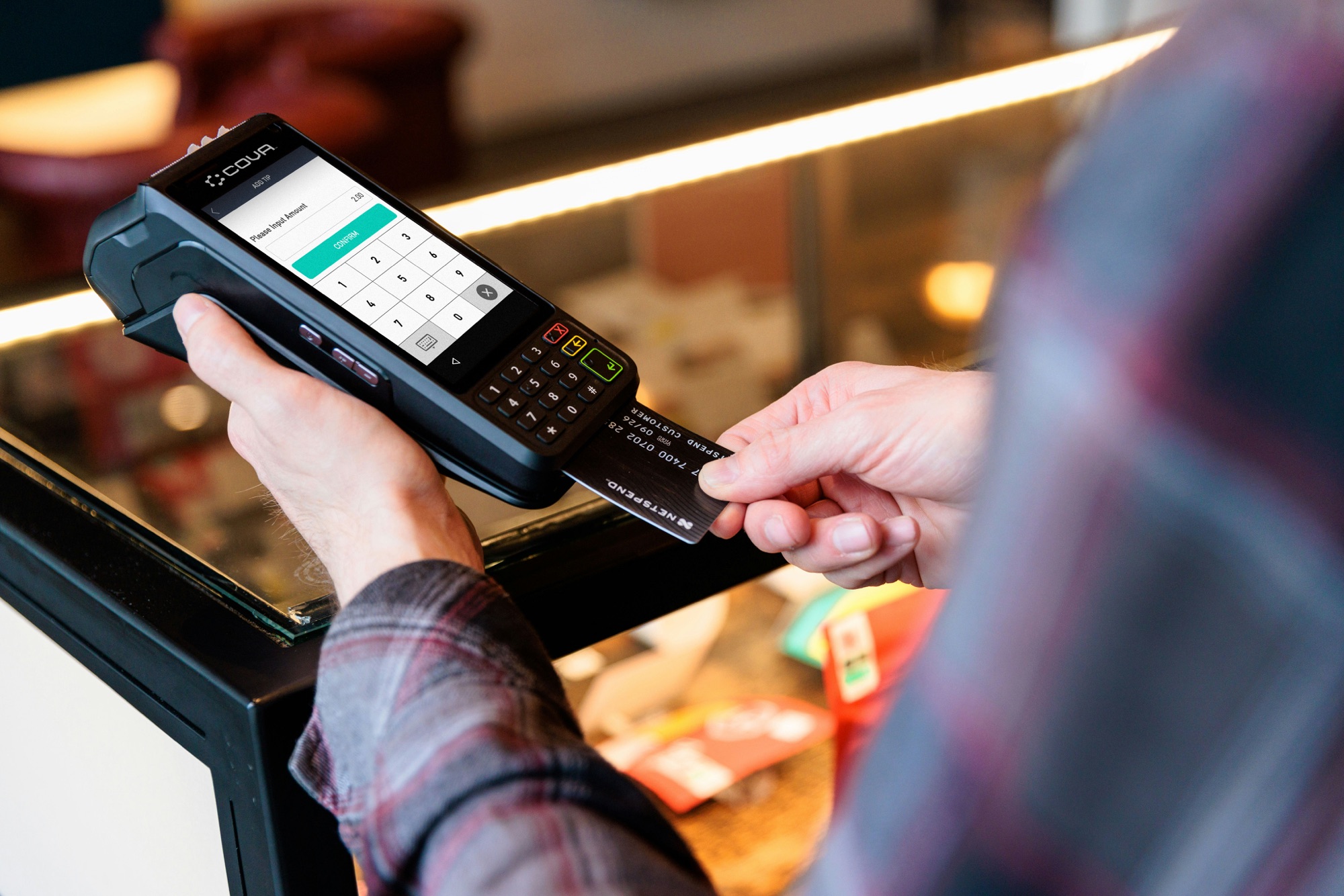
A quick note before we dive in: while I write from a Canadian perspective, everything below applies just as directly if you’re American or based anywhere else Wise operates — this isn’t a Canada-only hack.
The Hook
Your bank tells you currency exchange is “free.” It isn’t. There’s no line-item fee, no receipt that says “markup” — which is exactly the problem. As a result, the cost is baked into the exchange rate itself, and most Canadians never see it.
Here’s the math: if the real market rate is 1 EUR to 1.48 CAD, your bank might quietly hand you 1.43 CAD instead. That five-cent gap looks like nothing — until you’re exchanging $2,000 or more for a trip, and suddenly that “nothing” just cost you real money.
I stopped letting that happen almost two years ago, when I opened a Wise account. Here’s exactly how it works, what it saves, and where it still falls short.
What Your Bank Actually Charges vs. What Wise Charges
Canadian banks make their money on the spread — the difference between the real mid-market rate and the rate they give you. Because it’s rarely disclosed as a percentage, most people never question it. Credit cards, however, are more transparent about it: most major Canadian cards (TD, RBC, BMO, Scotiabank, CIBC) charge a straightforward 2.5% foreign transaction fee on every purchase made in a foreign currency. Debit is often worse, with some banks charging 3.5% on foreign debit transactions at checkout.
Wise works differently. You get the mid-market rate — the real one, the one you’d see on Google — full stop. When you spend using your Wise card in a currency you already hold in your account, there’s no conversion fee at all. In fact, none. I’ve used mine across the border for US purchases, and it works exactly as advertised.
The Math
Say you’re converting $2,000 CAD to euros for a trip.
- Bank card (3.5% FX fee): You lose roughly $70 to the fee alone — before accounting for any additional markup buried in their exchange rate.
- Wise: You get the real mid-market rate, and if you’re spending from a euro balance you already hold, there’s no conversion fee at checkout.
Fifty dollars on one $2,000 exchange doesn’t sound life-changing. But that’s the math for a single trip. However, if you travel a few times a year, or cross the border regularly, that $50 becomes $150, $250, $400 — money that adds up across trips instead of disappearing into your bank’s spread every single time.
In other words, that’s really where a Wise account earns its keep: for people who travel often and want immediate access to multiple currencies without the hassle — or the risk — of carrying large amounts of cash. You hold what you need, in the currency you need, ready the moment you land.
€1,000 Spend: Real Cost by Method
| Method | Fee | Total Cost |
|---|---|---|
| Typical Credit Card (2.5% FX fee) | $40.15 | $1,646.15 |
| Typical Canadian Debit Card Abroad (~3.5% fee) | $56.21 | $1,662.21 |
| Wise Card — Tap Purchase (0% fee) | $0.00 | $1,606.00 |
| Wise — Cash Withdrawal ($100 CAD/mo free, then $2.69 + 2.69%) | ~$43.20 | ~$1,649.20 |
Based on spending €1,000 at the mid-market rate of 1 EUR = 1.606 CAD (Aug 17, 2026). Wise cash-withdrawal example assumes the full €1,000 is taken out as physical cash in one trip — in practice you’d rarely withdraw that much at once, so real-world ATM fees would typically be lower.
Buy the Dip, Not the Panic
Most Canadians buy their euros or USD three days before a flight, at whatever rate is sitting there. That’s not a strategy — it’s a last-minute tax on your trip.
With a Wise multi-currency account, however, your CAD, USD, and EUR balances sit side by side, so you can watch the market rate anytime and convert when it moves in your favour — weeks or months out, no trip required. I check mine the way some people check stock prices: when EUR/CAD dips, I buy, and when it’s flat, I wait. By the time I land, my euros are already sitting in the account at a rate I locked in on my terms, not on whatever rate my bank feels like offering that day.
That said, one honest note: converting between currencies inside your Wise account isn’t entirely free — there’s a small conversion fee, typically around 0.4–0.5% for a major pair like CAD to EUR. On a $2,000 CAD conversion, that’s roughly $8–$10. Still, that’s nowhere close to what a 2.5% credit card fee would cost you, but it’s worth knowing it’s not literally zero.
This only works if you’re planning ahead — which, if you’re reading this blog, you already are.
How to Set It Up Before You Travel
- Open a free Wise account and verify your identity (takes minutes, not days)
- Open balances for the currencies you’ll actually use — I keep CAD, USD, and EUR active year-round
- Link your Canadian bank account so funding and withdrawals are seamless
- Watch the exchange rate in the app and convert when it dips in your favour — don’t wait for the week before your trip
- Order the physical card if you plan to spend or withdraw abroad; the digital card is ready immediately, so you can start using it right away for online bookings like flights and hotels while the physical one is in the mail
Pros and Cons
Pros:
- Mid-market exchange rate, no hidden spread — see it for yourself with a free Wise account
- Zero conversion fee on card purchases when spending a currency you already hold
- No monthly or account-holding fees
- Multi-currency balances let you buy on the dip, ahead of travel
- Virtual cards for safely trialing subscriptions or bookings abroad
Cons:
- No CDIC deposit insurance — fine for travel spending, not where you’d park a large emergency fund
- ATM cash withdrawals get expensive fast once you’re past the free monthly threshold
- No overdraft protection, and it’s not a substitute for a full chequing account
- Doesn’t build Canadian credit — it’s a debit-style card, not reported to Equifax or TransUnion
- Funding your account with a credit card gets coded as a cash advance by most banks — instant fee, interest starts immediately. Use Interac e-Transfer or a direct bank link instead
What to Watch For
The card is genuinely fee-free for purchases — tap, insert, online, doesn’t matter, as long as you’re spending a currency balance you already hold. Cash, however, is a different story. As of May 2026, Wise cut its free ATM withdrawal allowance to $100 CAD per month combined, and withdrawing beyond that means a flat $2.69 CAD fee plus 2.69% of the amount withdrawn, per withdrawal. For example, pull out an extra $200 CAD past your limit, and you’re paying just over $8 in fees.
My workaround: use the card as your primary spending method overseas, and treat ATM cash as a backup, not a habit. Between the exchange rate savings and skipping the FX fee entirely on purchases, it’s still the smartest tool in my travel wallet. That said, I just don’t pretend the cash side is free anymore, because it isn’t.
One more thing worth knowing: Wise operates in 70+ countries, so this isn’t just a Canadian hack — wherever you’re reading from, this setup likely works for you too.
Smarter spending starts with the right account — join the multi-currency setup I actually use.
💰 A quick note on how I fund this trip-planning obsession: Some links in this post are affiliate links — meaning if you book through them, I may earn a small commission at no extra cost to you. I only recommend what I’d actually use myself (or already have). Full details in my Disclosure Statement.